


Elevating Fitness Through Intentional Space & Community
DESIGN TALK
Launch Platform Gym - Downtown, Dubai
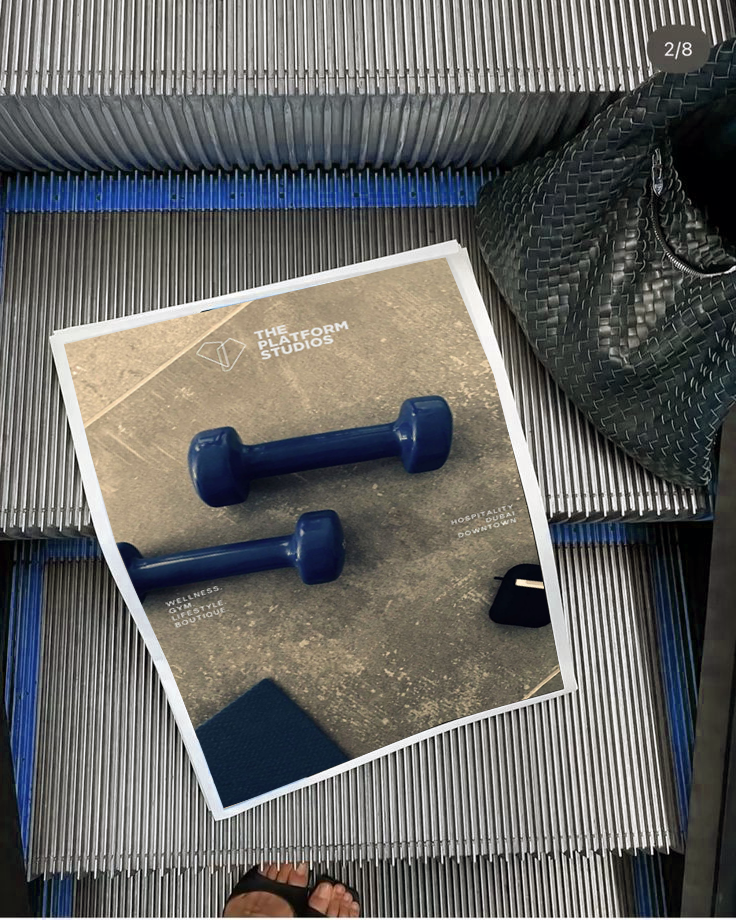
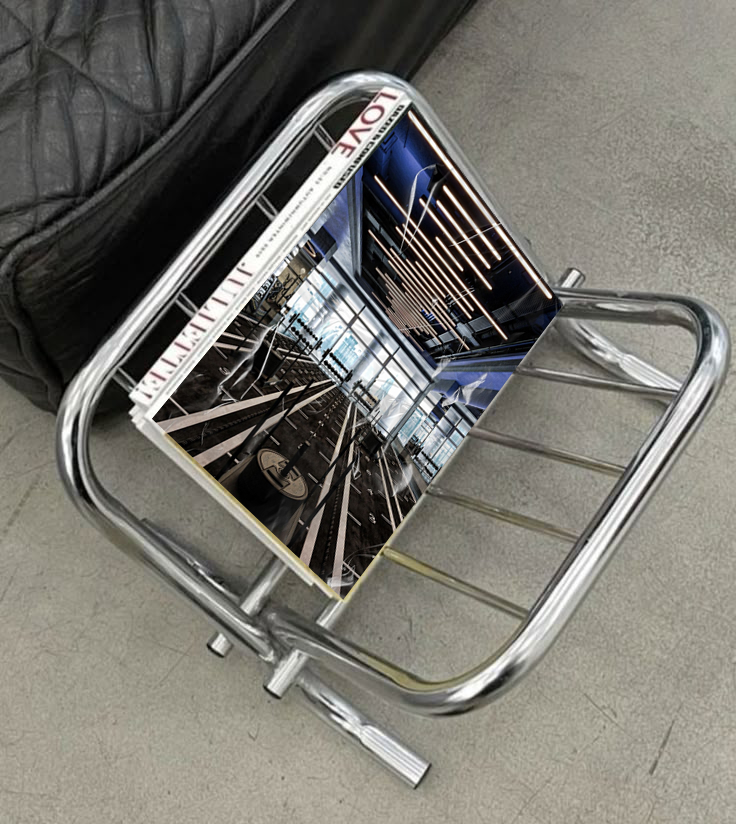
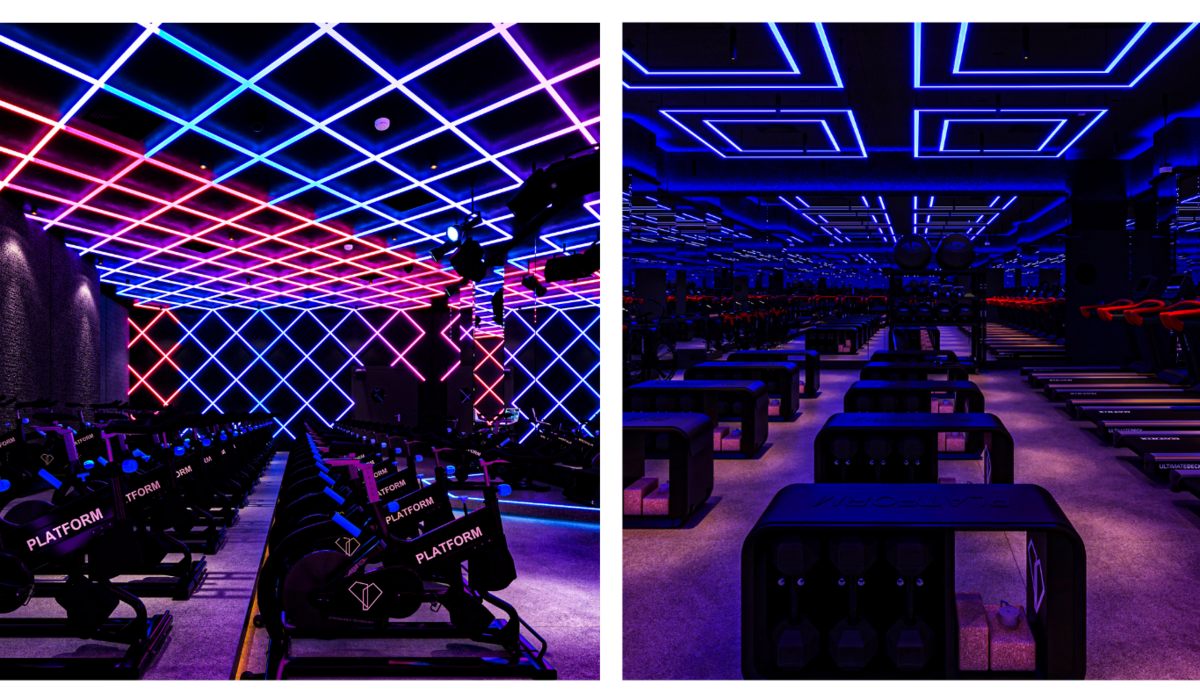
Dubai / Vancouver — Black Label Designs is proud to unveil its latest wellness interiors project: a boutique gym in Dubai that redefines how fitness, community, and design intersect. Led by Principal Designer Pria Rajput, this project bridges her Canadian roots with global sensibilities to give the Dubai fitness community an immersive, people-first environment.

Q: Why Dubai, and why now for your first major gym project there?
Pria Rajput (PR):
I’ve long believed that wellness is a universal conversation. Dubai is a vibrant center for innovation, health, and luxury, and its fitness culture is growing rapidly. There’s space there for designs that are thoughtful, not just flashy.
Also, working from Canada has taught me the importance of designing across climates, cultures, and user expectations. Taking on a gym in Dubai was a chance to stretch that adaptability — to honour local climate, daylight, material constraints, and aspirational lifestyle — while staying true to my design values.
Q: Walk us through your design philosophy for this gym. What did you prioritize?
PR:
In a wellness/gym environment, I centred three guiding pillars:
Pria Rajput (PR):
I’ve long believed that wellness is a universal conversation. Dubai is a vibrant center for innovation, health, and luxury, and its fitness culture is growing rapidly. There’s space there for designs that are thoughtful, not just flashy.
Also, working from Canada has taught me the importance of designing across climates, cultures, and user expectations. Taking on a gym in Dubai was a chance to stretch that adaptability — to honour local climate, daylight, material constraints, and aspirational lifestyle — while staying true to my design values.
Q: Walk us through your design philosophy for this gym. What did you prioritize?
PR:
In a wellness/gym environment, I centred three guiding pillars:
- Function with dignity. A gym must work — equipment layout, circulation, zones must feel intuitive. But dignity means avoiding the cold, industrial tropes. I layered warmth, tactility, and tactile transitions so users feel invited, not overwhelmed.
- Community-first design. Studios with mirrors aren’t enough. This gym includes gathering nooks, lounge zones, hydration bars, and spaces for conversation before or after class. I wanted the gym to feel like a clubhouse, not a rat race.
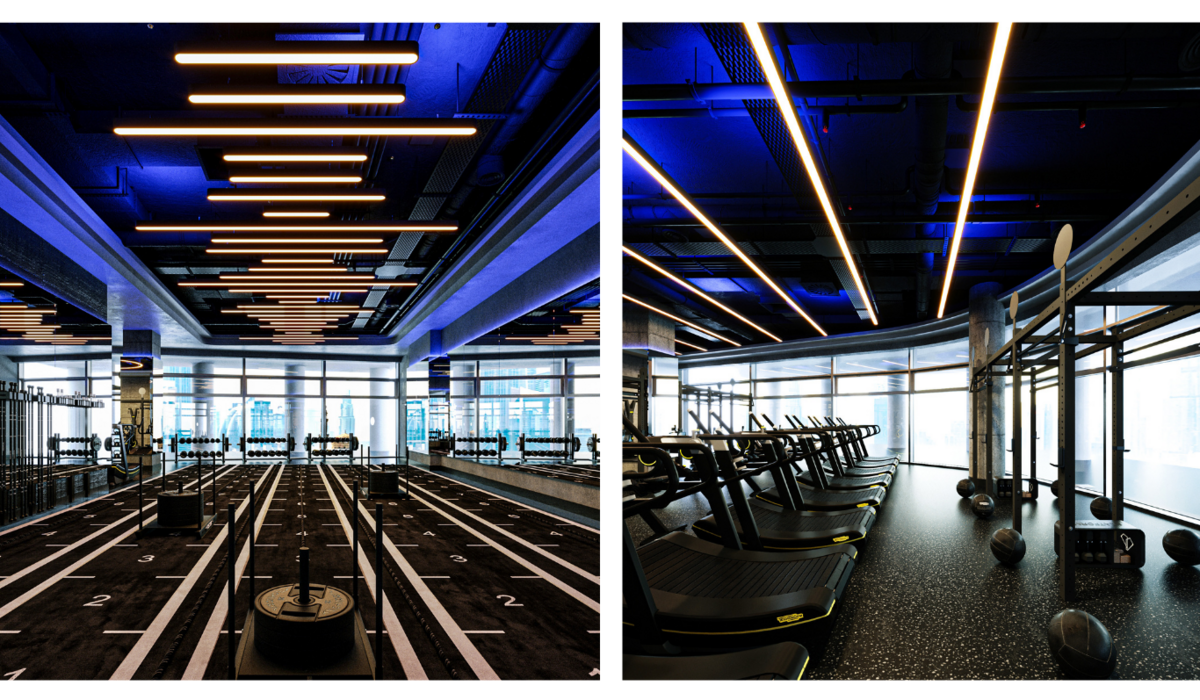
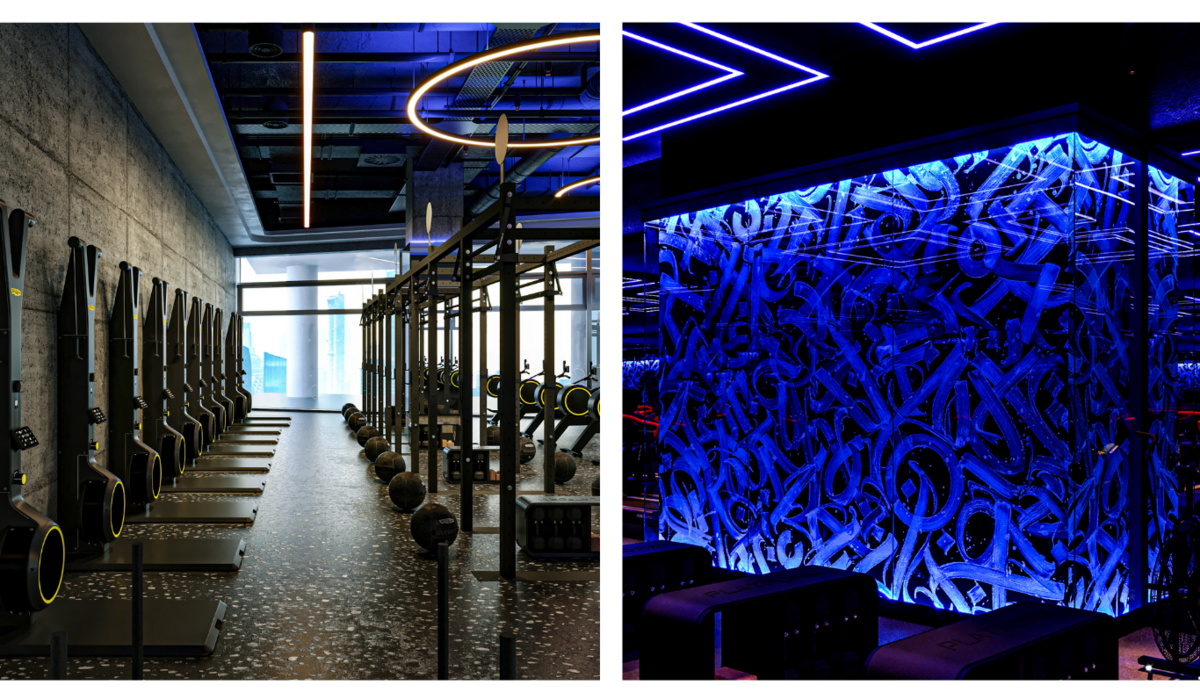
- Sensory layering & transitions. Each zone (cardio, strength, stretch, class studios, recovery) shifts in light, acoustics, texture, and atmosphere. The design cues help your body mentally “arrive” in the right mode — from energizing to restorative.
Q: How did Dubai’s context influence your choices?
PR:
In many projects in Dubai, interior design for gyms must respond to local expectations of luxury, climate, and wellness culture. The city’s competitive fitness market demands high standards in finish, air quality, lighting, and experience.
So in this gym:
These are considerations that many Dubai fitness designers discuss as essential.
Q: In your wellness practice, what does success look like for a space like this?
PR:
Success is when a gym feels alive. It's when members pause, meet, linger. It’s when a yoga student feels at home in the corners, when strength athletes feel motivated by subtle views, and when people return not just because of the programming, but because the space itself holds them.
Operationally, success is also driven by community engagement, which includes regular classes, pop-up wellness events, workshops, and social activations. The design encourages those events — movable partitions, open multi-use zones, visible “front-of-house” activity so passersby can peek in.
Q: What challenges did you face, and how did you solve them?
PR:
One challenge was marrying high-end finishes with high-traffic use — gyms are brutal on surfaces. The solution was to layer: base, serviceable substrates, then overlays or durable “wear zones” that can be replaced without tearing down the entire aesthetic.
Another was balancing visibility and privacy. In a city where prestige matters, the gym needed to display transparent glass walls and visual connections — yet some areas (stretch, recovery, changing) required intimacy. We used lighting depth, partial partitions, and gradient transparency to mediate that.
Additionally, program diversity was essential: we needed HIIT, yoga, strength, cardio, recovery, and social zones — all in one footprint. I employed fluid zoning, flexible partitions, and multi-use furniture, allowing spaces to shift depending on peak times or events.
PR:
In many projects in Dubai, interior design for gyms must respond to local expectations of luxury, climate, and wellness culture. The city’s competitive fitness market demands high standards in finish, air quality, lighting, and experience.
So in this gym:
- We maximized ventilation, incorporated shade and natural light strategies to reduce overheating.
- Material choices strike a balance between durability (for high-use floors and walls) and elegance — featuring durable rubber, matte terrazzo, warm woods, and acoustic panels.
- Lighting is zoned and dynamic, providing a bright and energizing atmosphere in cardio zones and a softer, more ambient ambiance in stretch or mindfulness rooms.
- Acoustics are carefully tuned so heavy lifting in one area doesn’t bleed into the calm zones.
These are considerations that many Dubai fitness designers discuss as essential.
Q: In your wellness practice, what does success look like for a space like this?
PR:
Success is when a gym feels alive. It's when members pause, meet, linger. It’s when a yoga student feels at home in the corners, when strength athletes feel motivated by subtle views, and when people return not just because of the programming, but because the space itself holds them.
Operationally, success is also driven by community engagement, which includes regular classes, pop-up wellness events, workshops, and social activations. The design encourages those events — movable partitions, open multi-use zones, visible “front-of-house” activity so passersby can peek in.
Q: What challenges did you face, and how did you solve them?
PR:
One challenge was marrying high-end finishes with high-traffic use — gyms are brutal on surfaces. The solution was to layer: base, serviceable substrates, then overlays or durable “wear zones” that can be replaced without tearing down the entire aesthetic.
Another was balancing visibility and privacy. In a city where prestige matters, the gym needed to display transparent glass walls and visual connections — yet some areas (stretch, recovery, changing) required intimacy. We used lighting depth, partial partitions, and gradient transparency to mediate that.
Additionally, program diversity was essential: we needed HIIT, yoga, strength, cardio, recovery, and social zones — all in one footprint. I employed fluid zoning, flexible partitions, and multi-use furniture, allowing spaces to shift depending on peak times or events.
About Black Label Designs (and Your Wellness Practice)
Black Label Designs is a Canadian-based studio specializing in interiors and branding across hospitality, wellness, and retail. Under Pria Rajput’s leadership, the practice prioritizes narrative-driven, human-centered design — merging global ideas and local relevance. In the wellness space, Black Label Designs works to transform health facilities into experiences that feel aspirational yet rooted, functional yet expressive.
Black Label Designs is a Canadian-based studio specializing in interiors and branding across hospitality, wellness, and retail. Under Pria Rajput’s leadership, the practice prioritizes narrative-driven, human-centered design — merging global ideas and local relevance. In the wellness space, Black Label Designs works to transform health facilities into experiences that feel aspirational yet rooted, functional yet expressive.
